Uncategorized
Medical Cannabis vs Recreational Cannabis in Australia: Key Differences and What You Need to Know
Dec
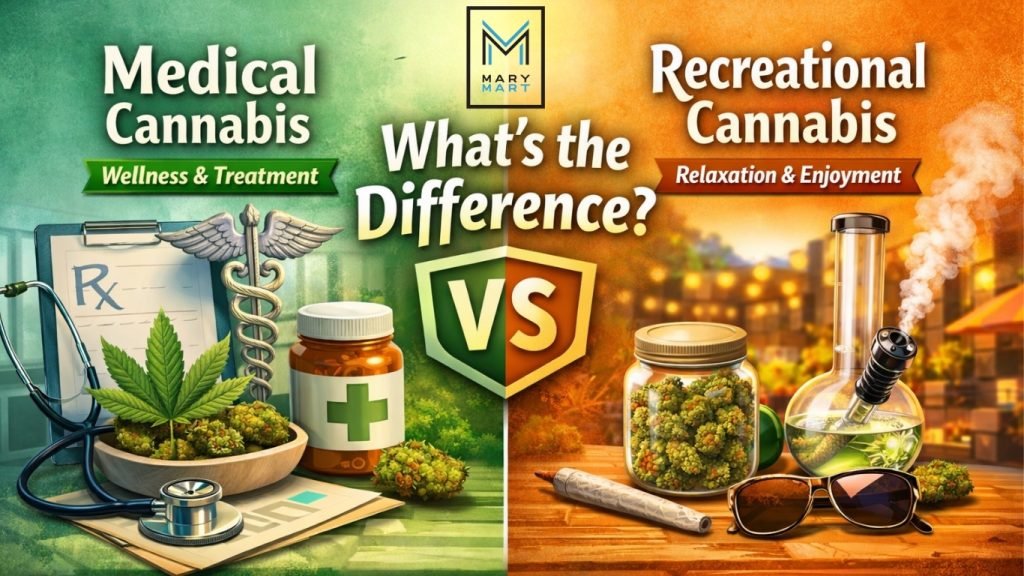
Medical Cannabis vs Recreational Cannabis in Australia. As of late 2025, cannabis laws in Australia continue to spark interest and debate. While medical cannabis is a legal, regulated option available nationwide with a prescription, recreational cannabis remains largely prohibited across most of the country. This creates a clear distinction between the two, affecting how people access, use, and understand cannabis products.
In this comprehensive guide, we’ll explore the main differences between medical and recreational cannabis in Australia, including legal status, access requirements, product quality, potential benefits, and risks. Whether you’re considering cannabis for health reasons or simply want to understand the current landscape, this article provides clear, up-to-date information to help you make informed decisions.
Understanding the Legal Framework in Australia
Australia operates under a federal system, meaning both Commonwealth (national) and state/territory laws apply to cannabis.
Federal Regulation of Medical Cannabis
Since 2016, the Australian Government has allowed the cultivation, production, and supply of cannabis for medicinal and scientific purposes. The Therapeutic Goods Administration (TGA) oversees this system, ensuring products meet strict standards for quality, safety, and labelling.
Medical cannabis products are classified as:
- Schedule 8 (controlled drugs) if they contain more than 2% THC
- Schedule 4 (prescription-only) for most other formulations
- Schedule 3 (pharmacist-only) for certain low-dose CBD products (though few are currently approved)
Recreational use, cultivation, and supply remain federally prohibited nationwide.
State and Territory Variations
While medical cannabis is available across all states and territories with a prescription, recreational laws differ:
- Australian Capital Territory (ACT): The only jurisdiction where limited personal recreational use is permitted. Adults over 18 can possess up to 50 grams of dried cannabis and grow up to 2 plants per person (max 4 per household). However, selling or supplying remains illegal, and federal law still conflicts with these provisions.
- Other states/territories: Recreational possession is generally illegal. Many states (e.g., South Australia, Northern Territory, Western Australia) use decriminalisation approaches, issuing fines or cautions for small amounts rather than criminal charges. New South Wales, Victoria, Queensland, and Tasmania rely on diversion programs or warnings for minor offences.
Current Status of Recreational Legalisation
As of December 2025, nationwide recreational legalisation remains off the table. Recent federal bills to legalise adult-use cannabis have been voted down, and major parties (Labor and the Coalition) continue to oppose it. Discussions around potential economic benefits (e.g., tax revenue estimates of $700 million annually) continue, but no changes have been implemented.
Key Differences Between Medical and Recreational Cannabis
Here’s a clear breakdown of how the two differ in Australia today.
1. Legal Access and Requirements
Medical cannabis requires a prescription from a qualified medical practitioner. Doctors can apply for access through the TGA’s Special Access Scheme (SAS) or Authorised Prescriber pathway. Patients typically undergo a clinical assessment, and the doctor must justify why other treatments aren’t suitable.
Recreational cannabis, outside the ACT, is illegal to possess, use, or supply. Even in the ACT, commercial sales are prohibited—no legal dispensaries exist for recreational products.
2. Product Quality and Safety
Medical cannabis products are rigorously tested and regulated:
- Manufactured under Good Manufacturing Practice (GMP) standards
- Lab-tested for potency, contaminants (pesticides, mould, heavy metals)
- Accurate labelling of THC and CBD content
- Available in consistent forms like oils, capsules, sprays, or dried flower
Recreational cannabis obtained through the black market has no quality controls. Potency can vary wildly, and products may contain harmful contaminants or synthetic cannabinoids.
3. Cannabinoid Composition and Effects
Medical products are tailored to specific needs:
- High-CBD options (low or no THC) for conditions where psychoactive effects are undesirable
- Balanced THC/CBD ratios for pain, nausea, or sleep issues
- THC-dominant formulations for specific therapeutic purposes
Recreational use often involves higher-THC strains aimed at producing a “high.” Without medical oversight, users risk overconsumption or adverse effects.
4. Purpose and Oversight
Medical cannabis is prescribed for symptom management in conditions such as:
- Chronic pain
- Multiple sclerosis spasticity
- Epilepsy (certain forms)
- Chemotherapy-induced nausea
- Anxiety or insomnia (in some cases)
Recreational use is primarily for enjoyment or relaxation, without medical supervision.
5. Driving and Workplace Implications
Any THC-containing product (medical or otherwise) can result in a positive drug test. In most states, driving with detectable THC in your system is illegal, regardless of impairment. Medical patients must be aware of these restrictions.
Benefits and Risks: A Balanced View
Potential Benefits of Medical Cannabis
Evidence supports medical cannabis for certain conditions when other treatments have failed. Benefits may include:
- Pain relief (especially neuropathic pain)
- Reduced muscle spasticity in MS
- Improved appetite and reduced nausea in palliative care
- Seizure reduction in specific epilepsy types
Always consult a doctor—medical cannabis isn’t a first-line treatment and works best as part of a broader care plan.
Risks and Considerations
Both medical and recreational cannabis carry risks:
- Side effects (dizziness, dry mouth, anxiety, dependency with high-THC use)
- Interactions with other medications
- Impaired driving or operating machinery
- Mental health impacts (especially in young people or those with a history of psychosis)
Black-market recreational products carry additional risks due to unknown quality.
Exploring Medical Cannabis Options in Australia
If you’re considering medical cannabis, start by speaking with your GP or a specialist. Many patients access products through telehealth clinics or authorised prescribers.
Australia Pot stands out as a trusted online destination for Australians seeking high-quality medical cannabis products. They offer a wide range of lab-tested options, including:
- Explore our Flowers category for premium dried options
- Browse Vapes for convenient, discreet inhalation
- Check out Concentrates for potent extracts
For location-specific information, visit our city pages such as Sydney, Melbourne, Brisbane, Perth, or Adelaide.
Australia Pot prioritises compliance, transparency, and customer education, making it a reliable choice for those with a valid prescription.
Final Thoughts
The distinction between medical and recreational cannabis in Australia remains sharp. Medical cannabis offers a regulated, doctor-supervised pathway with quality-assured products, while recreational use is still limited (except in the ACT) and carries significant legal risks.
If you’re exploring cannabis for health reasons, consulting a healthcare professional is the safest and most compliant approach. For those with a prescription looking for trusted suppliers, Australia Pot provides a dependable option with a focus on quality and customer support.
Ready to learn more? Browse our product range or reach out to our team for guidance. Stay informed, stay safe, and always prioritise your health and legal compliance.

Pingback: Blue Dream Cannabis Flower in Australia (Ultimate Guide 2026)