
Uncategorized
Live Rosin vs Live Resin: What’s the Difference? Complete Guide
Jul
Cannabis concentrates have become an increasingly discussed topic among people interested in understanding cannabis products, extraction methods, and the technology behind modern cannabis processing.
Two names that often create confusion are live rosin and live resin. While both products are known for preserving aromatic compounds and producing a rich cannabis experience, they are created using very different techniques.
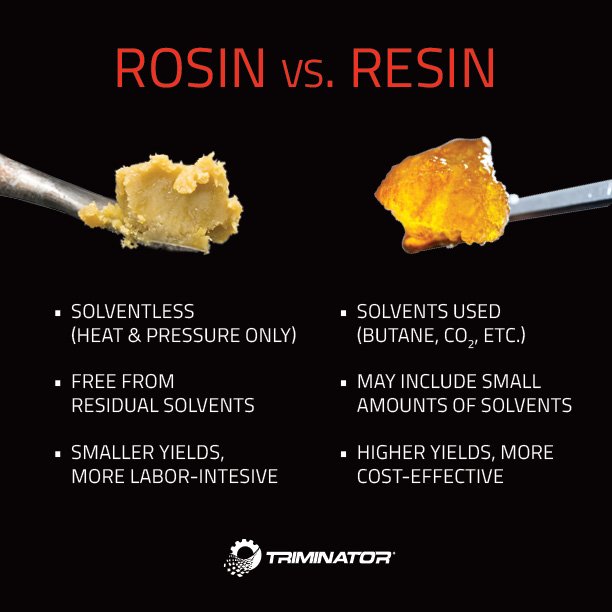
The biggest difference comes down to the extraction process. Live rosin is made using a solventless method that relies on heat and pressure, while live resin is created using hydrocarbon-based extraction methods designed to preserve fresh cannabis characteristics.
Understanding the differences between live rosin and live resin can help beginners and experienced consumers better understand how cannabis concentrates are made, why they have different characteristics, and what factors influence their quality.
This complete guide explains everything you need to know about live rosin vs live resin, including production methods, terpene preservation, texture, flavour, cost, and more.
What Is Live Rosin? Complete Beginner’s Guide>>
What Is Live Rosin?
Live rosin is a premium cannabis concentrate produced using a solventless extraction method.
Unlike extraction techniques that use chemical solvents, live rosin relies only on mechanical separation, heat, and pressure to extract resin from cannabis material.
The process begins with freshly harvested cannabis that is immediately frozen to preserve delicate compounds. This frozen material is then processed into bubble hash before being pressed using specialised equipment.
The result is a concentrate containing concentrated cannabis oils, cannabinoids, and aromatic compounds.
Many people value live rosin because of:
- Solventless production
- Preservation of natural aromas
- Minimal processing
- Traditional extraction approach
- Premium concentrate quality
What Is Live Resin?
Live resin is a cannabis concentrate produced using a solvent-based extraction process.
Like live rosin, live resin begins with freshly harvested cannabis that is frozen immediately after harvest. The freezing process helps maintain volatile compounds that can be lost during traditional drying and curing.
However, instead of using heat and pressure alone, live resin production typically uses hydrocarbon solvents such as butane or propane in a controlled extraction environment.
The extracted material is then processed and purified to create a concentrate rich in cannabinoids and terpenes.
Live resin is known for:
- Strong aroma profiles
- High terpene content
- Smooth textures
- Preservation of fresh cannabis characteristics
Live Rosin vs Live Resin: The Main Difference
The primary difference between live rosin and live resin is the extraction method.
Live Rosin
Uses:
- Heat
- Pressure
- Mechanical separation
No chemical solvents are used.
Live Resin
Uses:
- Hydrocarbon solvents
- Controlled extraction processes
- Purification techniques
Both methods aim to preserve cannabinoids and terpenes, but they achieve this through different approaches.
How Is Live Rosin Made?
Step 1: Fresh Cannabis Harvest
The process starts with carefully selected cannabis plants harvested at peak maturity.
Step 2: Immediate Freezing
Instead of drying the plant material, it is frozen immediately.
This helps preserve sensitive compounds.
Step 3: Bubble Hash Extraction
The frozen cannabis is washed with ice water to separate resin glands from plant material.
The collected resin becomes bubble hash.
Step 4: Rosin Pressing
The bubble hash is pressed using controlled heat and pressure.
The pressure releases the concentrated oils, creating live rosin.
How Is Live Resin Made?
Step 1: Fresh Freezing
Similar to live rosin, cannabis is frozen immediately after harvest.
Step 2: Solvent Extraction
The frozen cannabis is processed using hydrocarbon solvents.
These solvents help extract cannabinoids and terpenes from the plant material.
Step 3: Purification
The extracted concentrate undergoes processing to remove unwanted materials and prepare the final product.
The finished live resin maintains many of the aromatic characteristics of fresh cannabis.
Live Rosin vs Live Resin: Extraction Comparison
| Feature | Live Rosin | Live Resin |
|---|---|---|
| Extraction method | Heat and pressure | Hydrocarbon extraction |
| Solvent use | No solvents | Uses solvents |
| Starting material | Fresh frozen cannabis | Fresh frozen cannabis |
| Production difficulty | Very labour-intensive | Requires specialised extraction equipment |
| Terpene preservation | High | High |
| Typical cost | Often higher | Often more affordable |
Which Has More Terpenes: Live Rosin or Live Resin?
Terpenes are aromatic compounds responsible for the smell and flavour characteristics of cannabis.
Both live rosin and live resin are designed to preserve terpene content by using fresh frozen cannabis.
However, terpene levels depend on many factors, including:
- Cannabis genetics
- Harvest timing
- Storage conditions
- Extraction expertise
- Processing methods
There is no universal winner because quality varies between individual products.
Live Rosin vs Live Resin: Flavour Differences
Flavour is one of the biggest reasons people compare these two concentrates.
Live Rosin Flavour
Many people describe live rosin as having:
- Natural plant flavours
- Rich aromatic profiles
- Complex terpene characteristics
Because it uses a solventless process, some enthusiasts prefer its more traditional extraction style.
Live Resin Flavour
Live resin is often appreciated for:
- Strong terpene expression
- Fresh cannabis aromas
- Bold flavour profiles
The solvent extraction process can effectively capture volatile compounds when performed correctly.
Texture Differences Between Live Rosin and Live Resin
Both concentrates can appear in several textures.
Common Live Rosin Textures
Examples include:
- Fresh press
- Cold cure
- Batter
- Jam
- Budder
Common Live Resin Textures
Examples include:
- Sauce
- Sugar
- Badder
- Diamonds and sauce
Texture depends on:
- Processing techniques
- Storage conditions
- Temperature
- Moisture levels
Why Is Live Rosin Usually More Expensive?
Live rosin often commands a higher price because production is more labour-intensive.
Reasons include:
Lower Production Yield
The process can require significant amounts of starting material.
Manual Processing
Multiple stages require careful handling.
Premium Starting Material
High-quality frozen cannabis is necessary for producing quality results.
Solventless Method
The equipment and skill required can increase production costs.
Why Is Live Resin Often More Affordable?
Live resin production can be more scalable because extraction systems can process larger quantities.
Although it requires specialised equipment and safety controls, the process can produce higher yields compared with solventless extraction methods.
This can make live resin more accessible in many markets.
Is Live Rosin Better Than Live Resin?
There is no simple answer.
The better option depends on individual preferences and priorities.
Some people prefer live rosin because they value:
- Solventless extraction
- Minimal processing
- Traditional methods
Others prefer live resin because they appreciate:
- Strong terpene profiles
- Variety of textures
- Accessibility
Quality depends heavily on the producer, starting material, and storage practices.
Live Rosin vs Live Resin for Beginners
For someone learning about cannabis concentrates, understanding the differences is more important than choosing one product over another.
Beginners should consider:
- Learning how concentrates are produced
- Understanding product information
- Researching responsible use
- Understanding local laws and regulations
How Storage Affects Both Live Rosin and Live Resin
Proper storage helps maintain concentrate quality.
Important factors include:
Temperature
Heat can affect texture and aromatic compounds.
Light Exposure
Direct sunlight can degrade sensitive compounds.
Air Exposure
Oxygen exposure can impact freshness over time.
Good storage practices generally involve:
- Airtight containers
- Cool environments
- Protection from excessive heat and light
Are Live Rosin and Live Resin Legal in Australia?
Cannabis laws in Australia vary between states and territories.
Medical cannabis access operates under regulated pathways, while recreational cannabis laws differ depending on location.
Anyone interested in cannabis products should understand the laws that apply in their specific state or territory.
Reliable education and accurate information are important when navigating cannabis regulations.
Frequently Asked Questions
Is live rosin safer than live resin?
Safety depends on many factors, including production standards, quality control, and responsible handling. Both products require professional manufacturing processes.
Does live resin contain solvents?
Live resin is produced using solvent-based extraction methods. Proper manufacturing includes processes designed to remove unwanted residual materials.
Why is live rosin more expensive?
Live rosin typically costs more because the production process is labour-intensive and often produces smaller amounts.
Which tastes better, live rosin or live resin?
Taste is subjective. Some people prefer the natural profile of live rosin, while others enjoy the strong terpene expression found in live resin.
Are live rosin and live resin the same?
No. Both are cannabis concentrates made from fresh frozen cannabis, but their extraction methods are different.
Final Thoughts
Live rosin and live resin represent two different approaches to creating cannabis concentrates.
Live rosin focuses on a solventless extraction process using heat and pressure, while live resin uses solvent-based extraction methods to capture fresh cannabis characteristics.
Neither concentrate is automatically superior. The differences come down to production methods, personal preferences, quality standards, and individual priorities.
Understanding these differences helps people become more informed about cannabis concentrates and the technology behind modern extraction techniques.
For more educational information about cannabis products, extraction methods, and industry developments, explore our related guides:
