Uncategorized
THC vs CBD: What’s the Difference?
Aug
THC vs CBD: What’s the Difference?
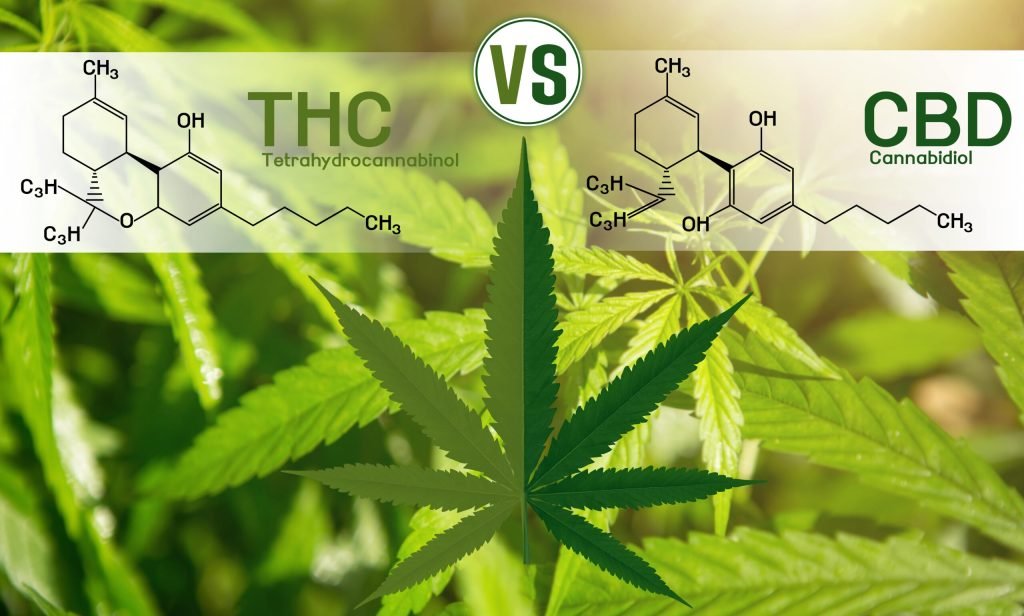
THC vs CBD is one of the most important comparisons for anyone trying to understand cannabis, medicinal cannabis or cannabinoid research.
Tetrahydrocannabinol (THC) and cannabidiol (CBD) are both naturally occurring cannabinoids found in cannabis, but they are not interchangeable. They differ significantly in their psychoactive effects, safety considerations, regulatory treatment and potential therapeutic applications.
Healthdirect states that the cannabis plant contains around 130 cannabinoids, with THC and CBD being two of the main cannabinoids. THC has strong psychoactive effects and is primarily responsible for the “high” associated with cannabis, whereas CBD does not produce the same intoxicating effect.
Understanding this difference is particularly important in Australia, where cannabis-derived medicines are highly regulated and products can contain different proportions of THC, CBD and other cannabinoids.
This Australia Pot guide examines THC vs CBD from an educational, scientific and Australian regulatory perspective.
Buy Weed Online Australia: What Is Legal and How Medicinal Cannabis Access Works
THC vs CBD at a Glance
| Feature | THC | CBD |
|---|---|---|
| Full name | Tetrahydrocannabinol | Cannabidiol |
| Cannabinoid | Yes | Yes |
| Found in cannabis | Yes | Yes |
| Produces a cannabis “high” | Yes | No |
| Psychoactive/intoxicating effects | Strong | Does not produce the same high |
| Used in medicinal cannabis products | Yes | Yes |
| Can affect driving | Yes, significant concern | May cause fatigue or drowsiness |
| Australian regulation | Highly controlled | Regulation depends on product and composition |
| Prescription may be required | Yes | Generally yes for currently available therapeutic products |
The simple distinction is that THC is intoxicating while CBD is not, but the differences between these compounds extend much further.
What Is THC?
THC stands for tetrahydrocannabinol.
It is one of the best-known compounds found in cannabis and is responsible for many of the psychoactive effects associated with recreational cannabis.
Healthdirect describes THC as having strong psychoactive effects and identifies it as the chemical responsible for making a person feel “high.”
The amount of THC present can vary considerably between cannabis products.
Within Australia’s regulated medicinal-cannabis system, THC may be present in products alongside CBD or other cannabinoids. The TGA categorises unapproved medicinal cannabis products partly according to the proportion of CBD relative to total cannabinoid content, meaning products can range from CBD-dominant formulations to products containing predominantly cannabinoids other than CBD.
THC should therefore not be understood simply as a recreational substance. It is also an active component of some medicinal cannabis formulations studied and prescribed within controlled healthcare settings.
What Is CBD?
CBD stands for cannabidiol.
Like THC, it is a cannabinoid found naturally in cannabis. However, one of the most significant differences between CBD and THC is that CBD does not produce the characteristic cannabis high.
Healthdirect states that CBD does not cause a “high” and notes that when it is combined with THC it may influence some of THC’s psychoactive effects.
CBD has become a major area of scientific and pharmaceutical research.
In Australia, however, consumers should not assume that CBD is simply an unrestricted wellness supplement because it is sold freely in some overseas jurisdictions.
The TGA states that certain cannabidiol preparations fall within the Australian scheduling framework. A Schedule 3 pathway was introduced to make appropriately registered low-dose CBD medicines potentially available as Pharmacist Only medicines, but the TGA’s current access guidance states that there are no products on the ARTG meeting the requirements for that Schedule 3 classification at present.
Therefore, overseas claims that CBD is universally “over the counter” should not automatically be applied to Australia.
Does THC Get You High While CBD Does Not?
This is the most recognisable difference in the THC vs CBD comparison.
THC can alter perception, cognition, mood and other aspects of mental function. The TGA associates THC-rich products with effects including feeling high, confusion, hallucinations, paranoid thoughts and cognitive distortion.
CBD does not produce the same intoxicating high.
That does not, however, mean CBD is biologically inactive or completely free of side effects.
Both THC- and CBD-containing medicinal cannabis products can cause adverse effects.
The TGA lists possible effects from medicinal cannabis containing either cannabinoid including:
- fatigue and sedation;
- dizziness or vertigo;
- nausea and vomiting;
- appetite changes;
- dry mouth;
- diarrhoea.
The TGA also notes that CBD-rich products generally produce fewer side effects than high-THC products, although adverse effects can still occur, particularly at higher CBD doses.
This makes phrases such as “CBD has no effects” or “CBD is completely risk-free” inaccurate.
THC, CBD and the Australian Medicinal Cannabis System
The difference between THC and CBD also matters from a regulatory perspective.
Australia’s medicinal-cannabis framework does not classify every product simply as “cannabis.”
The TGA uses five medicinal-cannabis product categories for products accessed through the Special Access Scheme and Authorised Prescriber pathways. These categories are based on the proportion of CBD relative to total cannabinoid content.
For example, the framework can distinguish:
- strongly CBD-dominant products;
- CBD-dominant products;
- relatively balanced cannabinoid products;
- products with lower proportions of CBD;
- products containing predominantly cannabinoids other than CBD.
A roughly 1:1 CBD-to-THC product can fall into the TGA’s balanced Category 3 depending on its cannabinoid composition.
This approach illustrates why THC vs CBD is not always an either-or question.
Some medicinal cannabis formulations contain predominantly one cannabinoid, while others contain meaningful quantities of both.
Are THC and CBD Used for the Same Medical Purposes?
Not necessarily.
Different cannabinoid formulations have been investigated for different conditions and symptoms, but evidence quality varies substantially.
The TGA’s clinical guidance makes clear that evidence for medicinal cannabis is inconsistent across conditions and products. It identifies research involving CBD in epilepsy and THC-containing or THC/CBD preparations in areas including multiple sclerosis symptoms, chronic non-cancer pain and chemotherapy-related nausea and vomiting. However, the strength of evidence ranges from relatively stronger evidence in some specific contexts to limited, very low-quality or insufficient evidence in others.
This is an important distinction for educational cannabis content.
The existence of research into a cannabinoid does not mean that:
- it works for every condition;
- every cannabis product has the same effect;
- THC and CBD can be substituted freely;
- a particular dose is suitable for everyone.
The TGA states that more large, high-quality studies are needed to better understand the benefits, limitations, dosing and safety of medicinal cannabis across different conditions.
For that reason, Australia Pot treats cannabinoid research as an evolving evidence base rather than presenting THC or CBD as universal treatments.
THC vs CBD: Side Effects and Safety
Both cannabinoids require an evidence-based discussion of safety.
Possible THC-related effects
High-THC products have been associated with effects including:
- intoxication;
- confusion;
- cognitive changes;
- hallucinations;
- paranoia;
- mood changes;
- sedation.
Individual responses can differ.
Possible CBD-related effects
CBD does not cause the characteristic THC high, but CBD-containing medicinal cannabis can still produce side effects such as fatigue, drowsiness, gastrointestinal effects and appetite changes.
Potential interactions with other medicines also need consideration. The TGA recommends that healthcare practitioners monitor interactions between medicinal cannabis and other treatments and notes that further research is required in this area.
THC vs CBD and Driving in Australia
Driving is another major difference consumers should understand.
The TGA states that THC can impair driving ability and that a person can face legal consequences if THC is detected while driving, even where the person has a medicinal cannabis prescription. Rules vary between Australian states and territories.
Healthdirect similarly advises people not to drive or operate machinery while using medicinal cannabis containing THC.
CBD is different because it does not produce the same THC-related intoxication. However, CBD can still cause fatigue or drowsiness in some individuals, which may also make driving unsafe.
The key distinction is therefore:
THC creates both impairment and drug-driving considerations, while CBD can still affect driving indirectly through effects such as drowsiness.
Is CBD the Same as Hemp?
No.
CBD is a chemical compound, while hemp refers to particular cannabis varieties and regulated plant material.
CBD can be derived from cannabis, but describing something as “hemp” does not automatically determine its legal status as a therapeutic product.
Likewise, hemp seed foods and industrial hemp exist within different regulatory frameworks from medicinal cannabis products containing therapeutic concentrations of cannabinoids.
Consumers should therefore avoid assuming:
hemp = CBD = medicinal cannabis
They are related concepts, but they are not legally or scientifically identical.
Frequently Asked Questions
What is the main difference between THC and CBD?
The primary difference is that THC has strong psychoactive effects and can produce the cannabis “high,” while CBD does not produce the same intoxicating effect.
Are THC and CBD both cannabinoids?
Yes. THC and CBD are two of the major cannabinoids found in cannabis. Healthdirect notes that cannabis contains around 130 identified cannabinoids.
Can medicinal cannabis contain both THC and CBD?
Yes. Australian medicinal cannabis products can contain CBD, THC or combinations of cannabinoids. The TGA categorises unapproved products according to their cannabinoid composition.
Does CBD have side effects?
It can. CBD-containing medicinal cannabis may cause effects including fatigue, sedation, dizziness, nausea, appetite changes, dry mouth and diarrhoea.
Can you drive after taking THC in Australia?
THC can impair driving, and Australian drug-driving laws may apply even where THC has been legally prescribed. State and territory rules differ.
Can you buy CBD over the counter in Australia?
Australia has a Schedule 3 pathway that could allow eligible registered low-dose CBD medicines to be supplied by pharmacists without a prescription. However, current TGA guidance states that no products on the ARTG presently meet the requirements for that classification.
Understanding THC vs CBD
The THC vs CBD comparison provides an important foundation for understanding cannabis science and regulation.
Both compounds come from cannabis, and both are studied and used within medicinal cannabis research. However, their effects are significantly different.
THC is strongly psychoactive and can cause intoxication and impairment. CBD does not produce the same high, although it remains biologically active and can cause side effects.
Australian regulation adds another layer of complexity. Medicinal cannabis products may be CBD-dominant, THC-containing or relatively balanced, and the TGA uses cannabinoid composition as part of its product-category framework.
For consumers and industry observers, the most useful approach is therefore not to ask whether THC or CBD is simply “better.” Their properties, risks, regulatory status and evidence base are different, and the appropriate use of medicinal cannabis is a matter for qualified healthcare professionals.
For Australia Pot, understanding these cannabinoids is a central part of understanding the broader Australian cannabis industry.
