
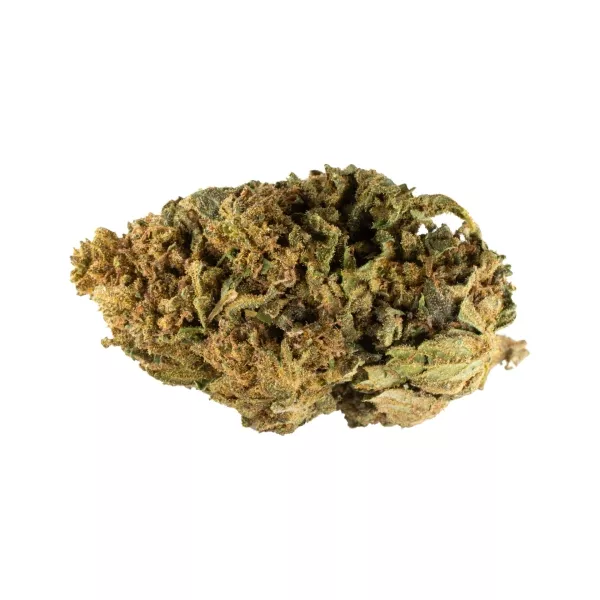
Charlotte’s Web strain
Price range: $300.00 through $2,550.00
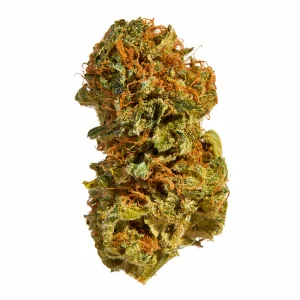
The Charlotte’s Web strain is one of the best-known CBD-rich hemp cultivars in cannabis and hemp history. Unlike many traditional cannabis strains that are identified through a specific combination of named parent cultivars, Charlotte’s Web was developed from proprietary hemp genetics by the Stanley brothers in Colorado, with a focus on producing high CBD and very low THC.
The cultivar became widely recognized because of its association with Charlotte Figi and the subsequent growth of interest in CBD-rich hemp products. Today, the name Charlotte’s Web can refer both to the cultivar and to products made by the company that bears the same name, so those two uses should be distinguished.
Charlotte’s Web Strain Genetics
Charlotte’s Web does not have a conventional publicly documented pairing such as OG Kush × another named cultivar.
The genetics are proprietary hemp genetics developed by the Stanley brothers. Charlotte’s Web states that its founders began developing proprietary hemp genetics in 2011, eventually creating the hemp genetics that became the basis of its products.
Because these genetics are proprietary, it is more accurate to describe Charlotte’s Web as a CBD-rich hemp cultivar with proprietary genetics rather than assigning an unsupported parentage.
The company currently identifies CW1AS1 as its flagship cultivar for certain products, while its broader proprietary genetics portfolio also includes other cultivars.
Charlotte’s Web Cannabinoid Profile
Charlotte’s Web is particularly notable for its high CBD and low THC characteristics.
Leafly currently lists representative strain data of approximately 12% CBD and 1% THC, although these figures should not be treated as universal specifications for every Charlotte’s Web plant or product.
Cannabinoid concentrations can vary depending on the specific genetic line, cultivation conditions, harvest and processing. For an individual product, the appropriate THC and CBD figures should therefore come from its current laboratory documentation or certificate of analysis.
This is especially important because the name Charlotte’s Web is used across different hemp products and formulations.
Charlotte’s Web Strain Profile
Charlotte’s Web is generally classified as a sativa or sativa-dominant hemp cultivar. Leafly currently categorizes the strain as sativa and identifies it as a hemp cultivar specifically bred for high CBD and low THC.
Commonly reported characteristics include:
- High-CBD hemp profile
- Very low THC compared with conventional high-THC cannabis
- Pine-forward aroma
- Woody notes
- Floral characteristics
- Herbal and earthy undertones
The cultivar is therefore quite different from many modern recreational cannabis varieties that are bred primarily around high THC concentrations or highly specialized flavour profiles.
Charlotte’s Web Aroma and Flavour
The aromatic profile of Charlotte’s Web is generally more earthy, woody and pine-forward than sweet dessert-style cannabis cultivars.
Leafly currently identifies pine, woody and flowery among the leading flavour characteristics.
Other descriptions of Charlotte’s Web hemp flower have included herbal and sage-like notes, with some phenotypes also showing lemongrass characteristics.
The exact aroma can vary according to the genetic line, cultivation environment, harvest and post-harvest handling.
Charlotte’s Web Terpene Profile
Current Leafly Certified data identifies myrcene as the dominant terpene, followed by pinene and caryophyllene.
Myrcene
Myrcene is associated with earthy, herbal and musky aromatic characteristics and contributes to the deeper side of the Charlotte’s Web profile.
Pinene
Pinene is associated with fresh pine and woody aromas, matching the cultivar’s characteristic pine-forward profile.
Caryophyllene
Caryophyllene contributes peppery and spicy aromatic notes and can add additional depth to the cultivar’s woody and herbal character.
Terpene concentrations are not fixed across every Charlotte’s Web product. Laboratory results for the specific batch should be used when exact terpene percentages are available.
Charlotte’s Web and CBD
Charlotte’s Web is particularly significant in the history of CBD-rich hemp.
The Stanley brothers developed proprietary hemp genetics with a high-CBD, low-THC profile, and the cultivar became closely associated with the development of consumer interest in hemp-derived CBD.
It is important, however, to distinguish the cultivar itself from individual CBD products. An extract, oil, capsule or other finished product can have a substantially different cannabinoid concentration and composition from the raw hemp flower.
For this reason, product-specific certificates of analysis are the most appropriate source for exact cannabinoid information.
Charlotte’s Web vs Charlotte’s Web Products
There is an important distinction between Charlotte’s Web the cultivar and Charlotte’s Web the commercial brand.
The Charlotte’s Web company uses proprietary hemp genetics to produce a range of hemp-derived products, including CBD oils, capsules, gummies and other formulations.
A product carrying the Charlotte’s Web brand therefore should not automatically be assumed to have the same cannabinoid concentration or terpene composition as raw Charlotte’s Web hemp flower.
The finished product’s own label and laboratory documentation should be used for accurate specifications.
Charlotte’s Web Strain Australia
For people searching for Charlotte’s Web strain Australia, the cultivar’s CBD-rich hemp background is an important part of its identity.
However, Australian product availability, permitted cannabinoid concentrations and lawful supply depend on Australia’s current regulatory framework. A product available in another country should not automatically be assumed to have the same regulatory status in Australia.
For any Australian product listing, use the specific product documentation for cannabinoid levels, ingredients and other specifications rather than relying solely on general strain databases.
Frequently Asked Questions
What is the Charlotte’s Web strain?
Charlotte’s Web is a CBD-rich, low-THC hemp cultivar developed from proprietary genetics by the Stanley brothers in Colorado.
What are the genetics of Charlotte’s Web?
Charlotte’s Web has proprietary hemp genetics rather than a conventional publicly documented parent cross. The Stanley brothers began developing the genetics in 2011.
Is Charlotte’s Web indica or sativa?
Charlotte’s Web is generally classified as sativa or sativa-dominant hemp.
Is Charlotte’s Web high in CBD?
Yes. Charlotte’s Web was specifically developed as a high-CBD, low-THC hemp cultivar. Exact CBD concentration varies by genetic line and product.
What are the main terpenes in Charlotte’s Web?
Current Leafly Certified data lists myrcene, pinene and caryophyllene as the leading terpenes.
What does Charlotte’s Web smell like?
Charlotte’s Web is commonly associated with pine, woody and floral aromas, with some descriptions also noting herbal characteristics.
Does Charlotte’s Web have a fixed CBD percentage?
No. CBD concentration can vary between genetic lines, growers, batches and finished products. A product’s certificate of analysis should be used for exact cannabinoid values.
Is Charlotte’s Web the same as a Charlotte’s Web CBD oil?
Not necessarily. Charlotte’s Web is the name of the hemp cultivar as well as a commercial brand. A CBD oil is a processed product whose cannabinoid and terpene concentrations depend on its specific formulation and batch.
Why is Charlotte’s Web famous?
Charlotte’s Web became widely known for its CBD-rich, low-THC profile and its association with Charlotte Figi, after which the cultivar and later company were named. The story contributed significantly to public awareness of CBD-rich hemp.
| Quantity | Oz, Qp, Hp, 1 Pound |
|---|
Be the first to review “Charlotte’s Web strain”
Related products
Flowers
Flowers
Reviews
There are no reviews yet.