
Uncategorized
Blue Dream Cannabis Flower: Understanding Its Genetics, Aroma and Characteristics
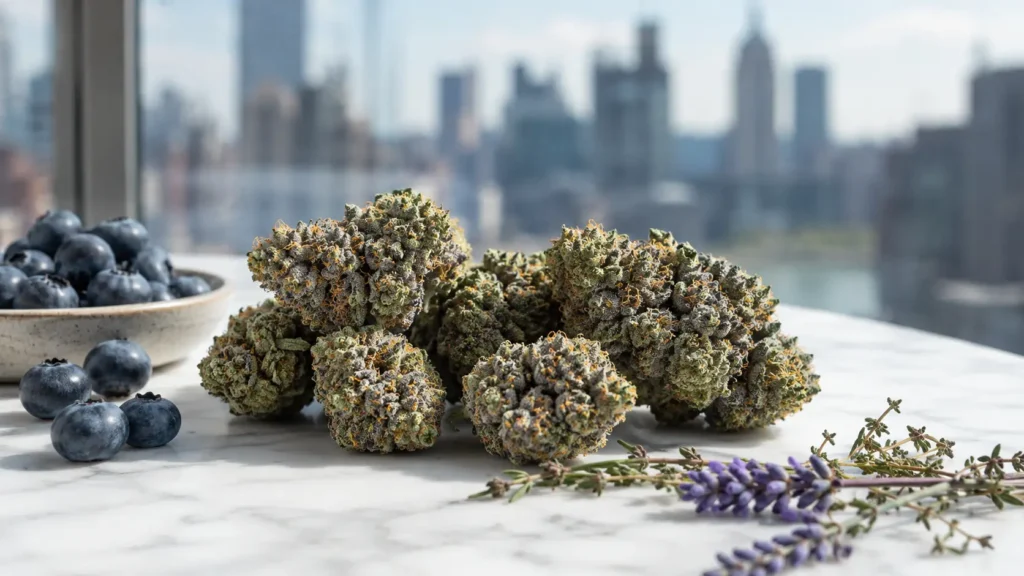
Nov
Blue Dream is one of the more recognisable names in cannabis culture, with a reputation built around its distinctive genetic background, aromatic profile and long-standing popularity among cannabis enthusiasts. Originally associated with California’s cannabis scene, this cultivar has become widely discussed in international cannabis communities, including Australia’s growing medicinal cannabis market.
For anyone researching different cannabis cultivars, understanding what makes Blue Dream distinctive involves looking beyond its name. Its genetic heritage, terpene composition, cannabinoid content and cultivation characteristics all contribute to its identity.
In this article, we’ll explore the background of Blue Dream Cannabis Flower >>>, its commonly reported characteristics and what Australian readers should understand about cannabis flower in today’s regulated market.
What Is Blue Dream Cannabis Flower?
Blue Dream is commonly described as a hybrid cannabis cultivar traditionally associated with two well-known varieties: Blueberry and Haze.
This genetic combination has contributed to its international recognition. Blueberry is known for its fruity aromatic heritage, while Haze varieties have a long history within cannabis breeding.
Blue Dream is generally described as a sativa-dominant hybrid, although the precise genetic characteristics can vary depending on the breeder and cultivation source.
One important distinction is that the name Blue Dream does not guarantee identical characteristics across every product carrying that label. Different growers, breeding selections and production methods can produce variations in cannabinoid concentrations and aromatic profiles.
The Aroma and Flavour Profile of Blue Dream
One reason Blue Dream has maintained its popularity is its commonly reported aromatic profile.
Depending on the particular cultivar and batch, its aroma is often described using several characteristics:
-
Berry notes: Sweet, fruity aromas are frequently associated with its Blueberry heritage.
-
Citrus undertones: Some expressions have fresh, slightly citrus-like aromatic characteristics.
-
Herbal notes: Certain batches may display earthy or herbal elements.
-
Sweet fragrance: A noticeable sweetness is often mentioned in descriptions of this cultivar.
These characteristics are influenced partly by terpenes, which are naturally occurring aromatic compounds found in cannabis and many other plants.
Understanding the Terpenes Associated With Blue Dream
Terpenes contribute to the distinctive smells and flavours of different cannabis cultivars. Several terpenes are commonly discussed in relation to Blue Dream, although the actual composition varies between growers and batches.
Myrcene
Myrcene is a naturally occurring terpene found in cannabis, mangoes and other plants. It is often associated with earthy, herbal and musky aromas.
Pinene
Pinene is responsible for the familiar fresh, pine-like fragrance found in pine trees and various herbs. It is one of the most widely recognised natural terpenes.
Caryophyllene
This terpene has a distinctive peppery and spicy aromatic character. It is also found in black pepper and cloves.
It is worth remembering that terpene profiles should be verified through batch-specific laboratory information rather than assumed from a cultivar name.
What Makes Blue Dream Different From Other Cannabis Cultivars?
Cannabis cultivars can differ considerably in their genetic background, cannabinoid concentrations, terpene composition and physical characteristics.
Blue Dream is particularly recognised for its Blueberry and Haze heritage, which distinguishes its traditional genetic background from many other popular cultivars.
However, appearance alone is not a reliable way to establish a cannabis flower’s quality or chemical composition.
For Australian readers researching cannabis products, checking laboratory documentation and understanding the source of product information is more useful than relying entirely on online descriptions or general strain rankings.
Understanding THC and CBD in Blue Dream
Blue Dream is frequently described in cannabis literature as a THC-dominant cultivar. However, there is no single THC percentage that applies to every Blue Dream product.
Actual cannabinoid concentrations depend on genetics, cultivation conditions, harvesting, processing and storage.
THC is the primary intoxicating cannabinoid in cannabis, while CBD is another naturally occurring cannabinoid that does not produce the same intoxicating effects.
THC-containing products can cause dizziness, impaired coordination, anxiety, drowsiness and difficulties with concentration. Individual responses vary, and medicinal cannabis decisions should be discussed with a qualified healthcare professional.
Blue Dream and Australia’s Medicinal Cannabis Market
Australia has developed a regulated medicinal cannabis framework, allowing eligible patients to access certain cannabis products through authorised medical pathways.
As interest in medicinal cannabis continues, familiar international cultivar names such as Blue Dream attract attention from people researching different cannabis varieties.
However, a cultivar’s international reputation does not automatically establish that a particular product is available in Australia or approved for a specific medical purpose.
Patients should verify product availability, cannabinoid specifications and regulatory requirements through appropriate Australian medical and regulatory channels.
It is also important to understand that THC can impair driving. Australian state and territory laws concerning driving after THC exposure must be followed.
Final Thoughts
Blue Dream Cannabis Flower has established a recognisable place in cannabis culture through its traditional Blueberry and Haze genetic heritage, distinctive aromatic characteristics and international popularity.
For Australian readers, learning about its genetics, terpenes and cannabinoid profile provides a useful starting point for understanding this cultivar.
As with any cannabis product, accurate batch information, responsible sourcing and reliable educational resources are more valuable than relying on a familiar name alone.
