
Uncategorized
Critical Mass Cannabis Flower: Understanding Its Genetics, Aroma and Characteristics
Nov
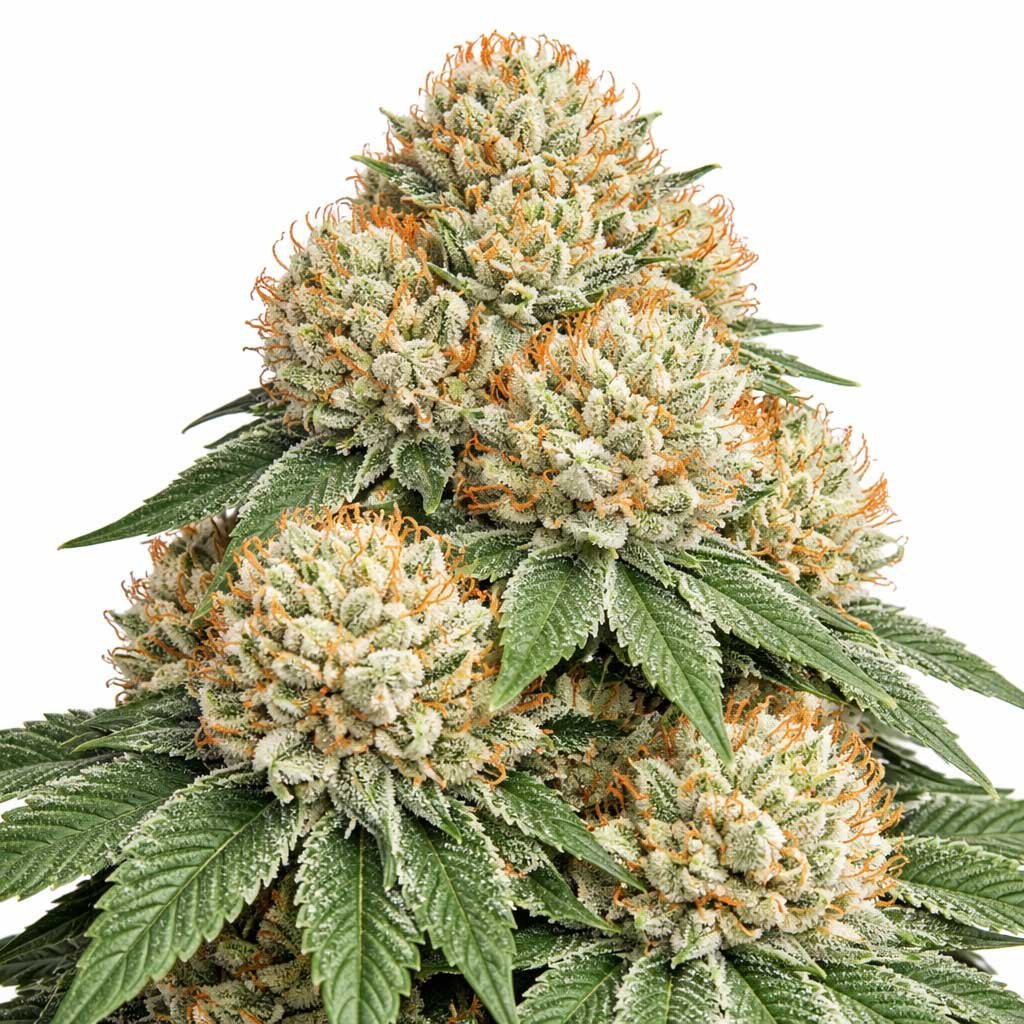
Critical Mass is a well-known cannabis cultivar with a history that has attracted attention among cannabis enthusiasts and people researching different cannabis varieties. Recognised for its traditional Afghani and Skunk genetic background, this cultivar has developed a reputation for its distinctive plant structure, aromatic characteristics and substantial flower production.
As Australia’s medicinal cannabis market continues to develop, interest in internationally recognised cultivars has also grown. Understanding the origins, characteristics and chemical composition of different cannabis flowers can help readers make sense of the products and terminology used throughout the industry.
In this article, we’ll explore Critical Mass Cannabis Flower>>>, including its genetic heritage, commonly reported aroma, terpene characteristics and place within the wider cannabis landscape.
What Is Critical Mass Cannabis Flower?
Critical Mass is traditionally associated with Afghani and Skunk #1 genetics. It is generally classified as an indica-dominant hybrid, although specific characteristics can vary depending on the breeder and selected phenotype.
The cultivar became particularly recognised for its substantial flower development and relatively compact plant structure. Its name reflects its reputation for producing large, dense flower clusters under suitable cultivation conditions.
Critical Mass has also influenced cannabis breeding, with variations and related cultivars appearing in different markets over the years.
It is important to remember that products carrying the Critical Mass name are not necessarily genetically or chemically identical. Growing conditions, genetics and production methods can all influence the final characteristics.
The Aroma and Flavour Characteristics of Critical Mass
One of the interesting aspects of Critical Mass is its commonly described aromatic profile.
Depending on the particular phenotype and batch, its aroma may include:
-
Earthy notes: A familiar characteristic associated with several traditional indica-dominant cultivars.
-
Sweet undertones: Some expressions have a noticeable sweetness.
-
Skunky characteristics: Its Skunk heritage is often associated with pungent, distinctive aromas.
-
Herbal elements: Certain variations may display fresh, plant-like aromatic qualities.
These descriptions are general cultivar associations rather than guaranteed characteristics of every Critical Mass product.
The final aroma can change depending on harvesting, drying, curing and storage conditions.
Understanding the Terpenes in Critical Mass
Terpenes are naturally occurring aromatic compounds found in cannabis and many other plants. They contribute to the distinctive fragrances associated with different cultivars.
Some terpenes commonly discussed in cannabis profiles include:
Myrcene
Myrcene is associated with earthy, herbal and slightly musky aromas. It is also found in plants such as mangoes and hops.
Caryophyllene
Recognised for its peppery and spicy characteristics, caryophyllene occurs naturally in black pepper, cloves and other botanical sources.
Limonene
Limonene is responsible for citrus-like aromatic notes and is naturally present in lemon and orange peels.
The presence and concentration of these compounds can differ between Critical Mass batches. Laboratory testing is the most reliable way to establish an individual product’s actual terpene composition.
What Makes Critical Mass Different From Other Cannabis Cultivars?
Critical Mass has a distinctive place in cannabis breeding because of its genetic background and traditional cultivation characteristics.
Its association with Afghani genetics connects it to cannabis varieties historically selected for compact growth and dense flower development. Its Skunk heritage adds another important part of its breeding history.
Compared with many modern hybrid cultivars, Critical Mass is often discussed in connection with traditional cannabis genetics.
However, appearance and genetic reputation should not be confused with laboratory-confirmed product quality. Cannabinoid concentrations, terpene content and product consistency are more accurately assessed through reliable testing.
THC and CBD: Understanding the Cannabinoid Profile
Critical Mass is frequently described as a THC-dominant cultivar, although cannabinoid concentrations are not fixed across all products.
THC, or tetrahydrocannabinol, is the primary intoxicating cannabinoid in cannabis. CBD, or cannabidiol, is another naturally occurring cannabinoid with a different pharmacological profile.
The actual THC and CBD concentrations depend on the specific genetics, cultivation conditions and production processes.
THC-containing cannabis products can cause unwanted effects, including dizziness, anxiety, impaired coordination, drowsiness and reduced concentration. These risks are particularly important when considering products with higher THC concentrations.
Anyone considering medicinal cannabis should discuss individual suitability and potential risks with a qualified healthcare professional.
Critical Mass and Australia’s Medicinal Cannabis Industry
Australia’s regulated medicinal cannabis industry provides access to different cannabis formulations for eligible patients through authorised medical pathways.
Internationally recognised cultivar names, including Critical Mass, are often discussed in cannabis education and industry publications. However, the presence of a cultivar in international cannabis literature does not guarantee that a particular product is currently available or authorised in Australia.
Australian patients should verify product specifications, availability and regulatory requirements through appropriate medical and regulatory sources.
It is also essential to understand that THC can impair driving. Australian state and territory laws concerning THC and driving must always be followed.
Final Thoughts
Critical Mass Cannabis Flower remains an interesting cultivar because of its traditional Afghani and Skunk genetic heritage, distinctive aromatic characteristics and contribution to cannabis breeding.
For Australian readers researching different cannabis varieties, understanding its genetics, terpene terminology and cannabinoid composition provides a useful foundation.
As with other cannabis cultivars, reliable product documentation and accurate laboratory information are more valuable than relying on general descriptions or assumed characteristics.
