
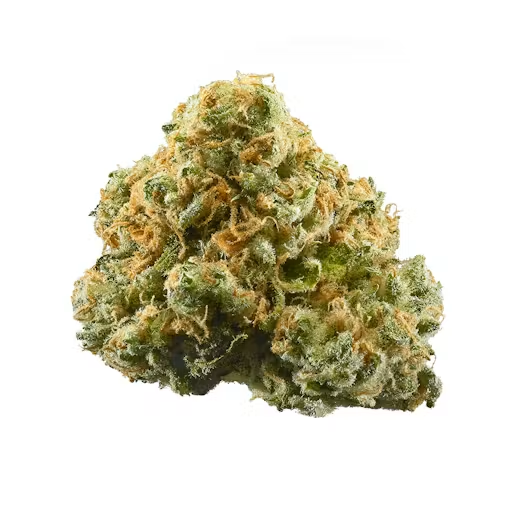
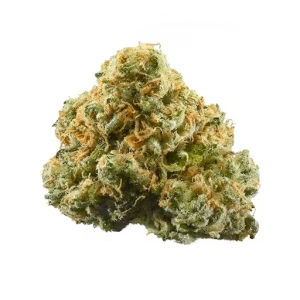
ACDC Strain
Price range: $300.00 through $2,300.00
ACDC is a well-known cannabis cultivar recognized primarily for its CBD-dominant cannabinoid profile and its connection to the Cannatonic line. Current strain references generally describe ACDC as a hybrid, although some sources characterize particular versions as sativa-dominant. The cultivar is particularly notable because its cannabinoid profile can contain substantially more CBD than THC.
Unlike many modern cannabis cultivars that are selected primarily for high THC concentrations, ACDC became recognized for its comparatively high CBD content and relatively low THC levels. This makes its cannabinoid composition one of the defining characteristics associated with the strain.
The actual cannabinoid concentration can vary between cultivators, phenotypes and batches, so product-specific laboratory information should always take priority over general strain descriptions.
ACDC Genetics
ACDC is commonly described as a phenotype of Cannatonic. Cannatonic is an important cultivar in the development and popularization of CBD-rich cannabis varieties. Leafly’s current strain information identifies ACDC as a phenotype of Cannatonic.
Some breeding references describe additional Ruderalis genetics in particular ACDC breeding lines, while other sources simply identify the cultivar as a Cannatonic phenotype. Because of these differences, the safest general description is that ACDC is closely associated with the Cannatonic genetic line rather than assigning a single definitive parentage to every product sold under the ACDC name.
ACDC Cannabinoid Profile
The cannabinoid profile is one of the most distinctive characteristics of ACDC strain.
Current published strain data can show a high CBD-to-THC ratio, but the exact numbers vary. For example, Leafly currently displays a profile of approximately 13% CBD and 1% THC, while other strain references provide different ranges.
This variation is important when creating a commercial product page. A strain name does not guarantee an identical cannabinoid profile across every product. Growing conditions, genetics, phenotype selection, harvesting and processing can all contribute to differences.
For that reason, the THC and CBD values displayed on a specific ACDC product page should come from the applicable laboratory report, certificate of analysis or manufacturer documentation.
Aroma and Flavour Profile
ACDC has a relatively earthy and botanical aromatic profile.
Commonly reported characteristics include:
- Earth
- Wood
- Pine
- Herbal notes
- Peppery undertones
Leafly currently identifies woody, earthy and pine as the primary flavour characteristics associated with ACDC.
The aroma of an individual batch can vary depending on its terpene composition, growing environment, drying and curing process. Product-specific descriptions should therefore be based on the actual flower or laboratory information whenever available.
ACDC Terpene Profile
Current certified strain data identifies myrcene, pinene and caryophyllene among the principal terpenes associated with ACDC, with myrcene listed as the dominant terpene in Leafly’s current profile.
These terpenes are commonly associated with earthy, herbal, pine and pepper-like aromatic characteristics.
Terpene concentrations can vary between batches, however. If your specific ACDC product has a laboratory-tested terpene profile, those results should be used instead of generic strain data.
ACDC Appearance
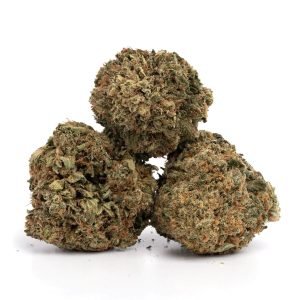
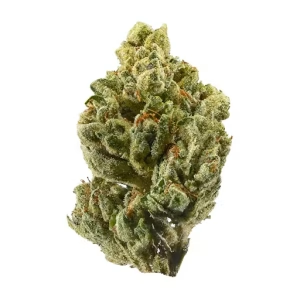
Descriptions of ACDC commonly focus on resinous cannabis flowers with green coloration and visible trichome coverage. The exact appearance can differ depending on phenotype, cultivation conditions, maturity and post-harvest handling.
For an ecommerce product page, photographs should ideally represent the actual product or batch rather than relying solely on generic strain imagery.
Reported Characteristics
Consumer strain databases commonly associate ACDC with characteristics such as relaxed, focused and uplifted. These descriptions represent reported consumer experiences and should not be treated as guaranteed effects or medical outcomes.
Individual responses can differ substantially depending on cannabinoid concentration, terpene composition, consumption method and other factors.
For an informational product page, it is therefore preferable to focus on ACDC’s documented genetics, cannabinoid profile, aroma, flavour and terpene characteristics rather than promising a particular outcome.
Why ACDC Is Notable
ACDC occupies an interesting position in cannabis cultivar history because it is associated with the development and popularity of CBD-rich cannabis varieties. Leafly has described ACDC as one of the notable CBD-focused varieties emerging from the Cannatonic breeding line.
Its profile also illustrates why cannabinoid testing matters. Two products carrying the same strain name can have different THC, CBD and terpene concentrations. For consumers and researchers comparing products, batch-specific laboratory information provides a more accurate picture than a general strain database.
Frequently Asked Questions
What is ACDC strain?
ACDC is a cannabis cultivar known for its CBD-dominant profile and its association with the Cannatonic genetic line. It is generally described as a hybrid, although descriptions can vary between specific phenotypes.
Is ACDC a high-CBD strain?
Yes. ACDC is widely recognized as a CBD-dominant cannabis cultivar. However, the actual CBD concentration depends on the specific product and batch.
What are the genetics of ACDC?
ACDC is commonly described as a phenotype of Cannatonic. Some breeding references identify additional Ruderalis genetics in particular lines, so exact genetic descriptions can vary.
What does ACDC smell and taste like?
ACDC is commonly associated with woody, earthy and pine characteristics. Its terpene profile is generally associated with myrcene, pinene and caryophyllene.
Does ACDC have a fixed CBD or THC percentage?
No. Published figures vary between sources and products. The cannabinoid percentages for a specific product should be taken from its applicable laboratory results or product documentation.
Product Information
Cultivar: ACDC
Also known as: AC/DC, ACD
Genetic association: Cannatonic phenotype
Classification: Hybrid; some sources describe particular versions as sativa-dominant
Cannabinoid profile: CBD-dominant; exact values vary by product
Common aroma: Earthy, woody, pine
Common flavour: Earthy, woody, pine and herbal
Commonly reported terpenes: Myrcene, pinene and caryophyllene
THC/CBD: Refer to specific product and batch documentation
| Quantity | Oz, Qp, Hp, 1 Pound |
|---|
Be the first to review “ACDC Strain”
Related products
Flowers
Flowers
Flowers
Flowers
Flowers
Reviews
There are no reviews yet.