
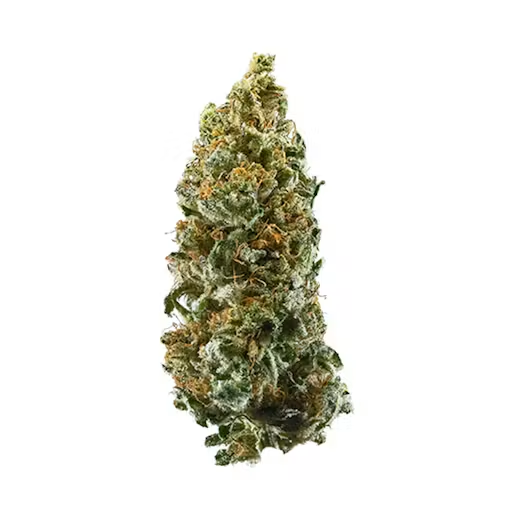
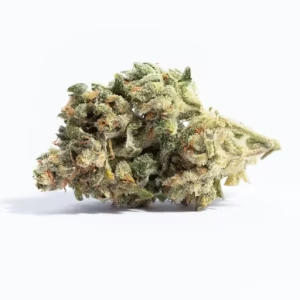
Cannatonic strain

Price range: $300.00 through $2,500.00
Cannatonic is one of the best-known cannabis cultivars associated with a CBD-rich cannabinoid profile. It is commonly described as a hybrid created from MK Ultra and G13 Haze genetics. The cultivar became particularly notable because different Cannatonic phenotypes can produce substantially different THC-to-CBD ratios.
Unlike many modern cannabis cultivars selected primarily for high THC, Cannatonic has an important place in the development and popularity of CBD-focused cannabis genetics. The line was introduced by Spanish seed company Resin Seeds and became an influential source of CBD-rich genetics. (leafly.com)
For that reason, the exact cannabinoid profile of a particular Cannatonic product should always be checked against its own laboratory or batch information rather than assumed from the strain name.
Cannatonic Genetics
The commonly reported Cannatonic lineage is:
MK Ultra × G13 Haze
Leafly identifies Cannatonic as a hybrid produced from these two parent varieties.
The cultivar’s importance extends beyond its original genetic cross. Cannatonic became an important source of CBD-rich cannabis genetics and has been used in breeding projects that produced other well-known CBD cultivars.
One reason for its continued interest is genetic variation in cannabinoid expression. Cannatonic phenotypes have been reported with different THC-to-CBD ratios, ranging from relatively balanced profiles to strongly CBD-dominant expressions.
Cannatonic CBD Profile
Cannatonic is particularly associated with CBD-rich cannabis.
However, it is important not to treat Cannatonic as having one universal CBD or THC percentage. The Cannatonic line has demonstrated considerable variation between phenotypes, with some expressions producing balanced THC and CBD levels while others can be substantially more CBD-dominant.
This makes the cultivar particularly interesting from a cannabis genetics perspective. The cannabinoid ratio is influenced by genetics, and different selections from the same broader cultivar can produce noticeably different laboratory profiles.
For a commercial Cannatonic product, the batch-specific certificate of analysis or laboratory information should therefore be used when publishing exact CBD and THC values.
Cannatonic Aroma and Flavour
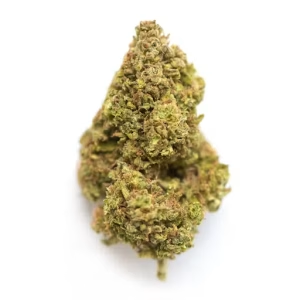
The Cannatonic strain is generally associated with an earthy, woody and pine-forward aromatic profile.
Commonly reported characteristics include:
- Earthy
- Woody
- Pine
- Sweet
- Light citrus notes
Leafly currently lists woody, earthy and pine among Cannatonic’s leading flavour characteristics. Other descriptions of the cultivar also note subtle sweet and citrus elements.
The aroma can vary considerably between phenotypes. Some expressions may lean more strongly toward earthy and herbal notes, while others can display brighter citrus or pine characteristics.
Cannatonic Terpene Profile
Terpenes are naturally occurring aromatic compounds that contribute to the smell and flavour of cannabis.
Current strain data identifies myrcene as the dominant terpene commonly associated with Cannatonic, followed by pinene and caryophyllene.
Myrcene
Myrcene is commonly associated with earthy and herbal aromas and is frequently found across a wide range of cannabis cultivars.
Pinene
Pinene is associated with fresh pine and herbal aromas, complementing the pine characteristics commonly reported for Cannatonic.
Caryophyllene
Caryophyllene is known for its peppery and spicy aromatic character and can add another layer to Cannatonic’s overall profile.
Exact terpene concentrations should not be inferred from these general strain associations. A laboratory-tested batch profile is the appropriate source for precise percentages or concentrations.
Cannatonic and the Development of CBD Genetics
Cannatonic has played an important role in the history of modern CBD-focused cannabis breeding.
According to Leafly’s historical overview, the Cannatonic line was introduced by Resin Seeds at Spannabis in 2008 and subsequently became an important source of high-CBD genetics. The line’s variation in CBD-to-THC ratios also made it useful in subsequent breeding projects.
One notable cultivar associated with Cannatonic genetics is ACDC, which Leafly describes as a CBD-dominant phenotype of Cannatonic.
This genetic connection helps explain why Cannatonic remains relevant when researching the development of CBD-rich cannabis cultivars.
Cannatonic Strain Characteristics
| Characteristic | Reported profile |
|---|---|
| Type | Hybrid |
| Genetics | MK Ultra × G13 Haze |
| Cannabinoid profile | CBD-rich; varies by phenotype |
| Aroma | Earthy, woody, pine |
| Flavour | Earthy, woody, pine, sweet/citrus notes |
| Dominant terpene | Myrcene |
| Other commonly reported terpenes | Pinene, caryophyllene |
| Known for | CBD-focused genetics |
These characteristics describe the broader Cannatonic cultivar and should not be treated as guaranteed specifications for every product carrying the Cannatonic name.
Cannatonic Strain Australia
For consumers searching for Cannatonic strain Australia, product-specific information is particularly important.
Cannatonic is associated with a range of cannabinoid profiles rather than one fixed THC-to-CBD ratio. Therefore, an online description should not automatically state a specific CBD or THC percentage unless that figure comes from the particular product’s laboratory documentation.
When available, check the product packaging, batch information and certificate of analysis for accurate cannabinoid and terpene data.
Australian cannabis products are also subject to applicable Australian laws and regulatory requirements. Product availability, supply and permitted claims should therefore be assessed according to current Australian requirements.
Frequently Asked Questions
What is Cannatonic?
Cannatonic is a cannabis hybrid commonly associated with MK Ultra and G13 Haze genetics. It is particularly known for its CBD-rich cannabinoid profile and its importance in the development of CBD-focused cannabis genetics. (leafly.com)
Is Cannatonic a CBD strain?
Cannatonic is commonly described as a CBD-rich or CBD-focused cannabis cultivar. However, different phenotypes can have substantially different THC-to-CBD ratios, so the exact cannabinoid profile should be verified from the specific product or batch.
What are the genetics of Cannatonic?
The commonly reported genetics are MK Ultra × G13 Haze.
What does Cannatonic smell like?
Cannatonic is commonly associated with earthy, woody and pine aromas, with some expressions also showing sweet or subtle citrus characteristics.
What terpenes are found in Cannatonic?
Myrcene, pinene and caryophyllene are commonly reported among Cannatonic’s leading terpenes. Exact concentrations can vary between phenotypes and batches.
Does Cannatonic have a fixed CBD percentage?
No. Cannatonic is known for variation in its cannabinoid ratios. Different phenotypes can produce different levels of CBD and THC, so a fixed percentage should not be assigned to every Cannatonic product.
Is Cannatonic an indica or sativa?
Cannatonic is generally classified as a hybrid.
Is Cannatonic related to ACDC?
Yes. ACDC is commonly described as a CBD-dominant phenotype of Cannatonic, making Cannatonic an important part of its genetic background.
Is Cannatonic available in Australia?
Availability depends on the particular product and applicable Australian regulations. The strain name itself does not determine whether a specific cannabis product can legally be sold or supplied.
Product information note: Strain names describe commonly recognized cultivars or genetic lines and do not guarantee identical cannabinoid or terpene profiles. Always refer to the specific product’s available batch and laboratory information.
| Quantity | Oz, Qp, Hp, 1 Pound |
|---|
Be the first to review “Cannatonic strain”
Related products
Flowers

Flowers
Reviews
There are no reviews yet.