
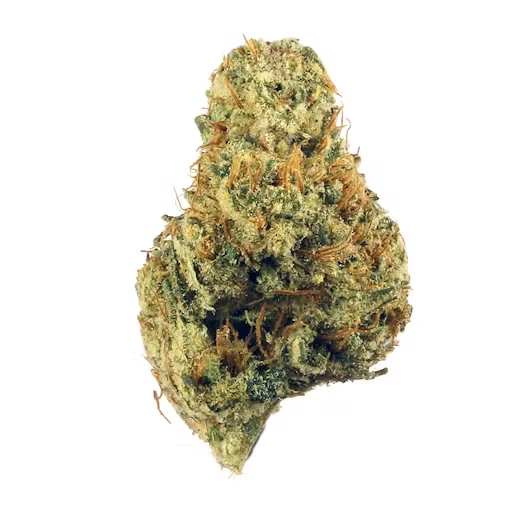
Dutch Treat strain
Price range: $350.00 through $2,500.00
The Dutch Treat strain is a classic cannabis cultivar associated with Amsterdam and known for its distinctive combination of sweet, piney and earthy aromas. Generally described as a hybrid, Dutch Treat has a genetic background commonly linked to Northern Lights and Haze, two well-established cannabis lineages.
Its aromatic profile is particularly notable for terpinolene, a terpene associated with herbal, floral and fresh characteristics. Current Leafly certified strain data lists terpinolene as the dominant terpene, followed by myrcene and ocimene.
Dutch Treat Strain Genetics
Dutch Treat is commonly described as a cross between Northern Lights and Haze. Leafly identifies these two cultivars as its parent strains and describes Dutch Treat as a hybrid.
Northern Lights contributes an important part of the cultivar’s traditional cannabis heritage, while Haze brings a different genetic and aromatic character to the cross.
As with many established cultivars, genetic descriptions can differ between breeders and databases. For a specific commercial product, breeder documentation should be treated as the most appropriate source for confirming exact lineage.
Dutch Treat Strain Profile
Dutch Treat is particularly recognizable for its combination of sweet fruit, pine and earthy characteristics.
Commonly reported aromatic characteristics include:
- Pine
- Sweet fruit
- Earth
- Herbal notes
- Eucalyptus-like freshness
- Floral undertones
Leafly currently lists pine, sweet and earthy among the cultivar’s leading flavour characteristics.
The balance between these characteristics can vary depending on phenotype, cultivation conditions, harvest timing and post-harvest handling.
Dutch Treat Terpene Profile
Terpenes are naturally occurring aromatic compounds that contribute to the scent and flavour of cannabis.
The current certified terpene data for Dutch Treat lists terpinolene as the dominant terpene, followed by myrcene and ocimene.
These compounds are associated with different aromatic characteristics:
- Terpinolene — herbal, floral and fresh notes
- Myrcene — earthy, herbal and musky characteristics
- Ocimene — fresh, sweet and mint-like aromatic notes
Leafly has also highlighted Dutch Treat as a cultivar with an unusually distinctive terpinolene-rich profile.
Actual terpene concentrations can vary considerably between batches, so exact percentages should only be included when supported by laboratory results for the particular product.
Dutch Treat Aroma and Flavour
The aroma of Dutch Treat is commonly described as sweet and pine-forward, with earthy and fresh botanical notes underneath. Some descriptions also identify eucalyptus-like characteristics, contributing to its distinctive forest-like aromatic identity.
The flavour profile generally follows the same direction, combining sweet notes with pine and earth.
This gives Dutch Treat a different character from newer cultivars that are primarily marketed around candy, dessert or tropical fruit aromas.
Dutch Treat Characteristics
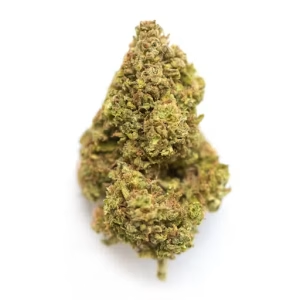
Dutch Treat is generally described as a hybrid cultivar producing dense, sticky flowers when grown under suitable conditions. Leafly’s current grow information places its flowering period around 63–72 days, although actual cultivation times can vary according to genetics, environment and growing technique.
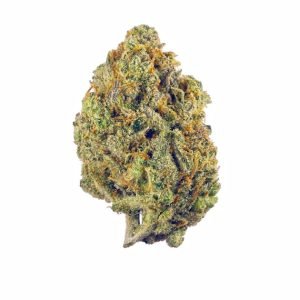
Flower appearance can also differ between phenotypes and growers. Factors such as lighting, nutrition, temperature, harvest timing and curing can all influence the final appearance and aroma.
Cannabinoid concentration should likewise be treated as product-specific information. Generic strain databases can provide reference values, but they should not be presented as the laboratory results for every Dutch Treat product.
Why Dutch Treat Is Recognizable
Dutch Treat has remained recognizable because of its combination of established genetics and distinctive terpene profile.
Its association with Northern Lights and Haze places it within two historically important cannabis lineages, while its terpinolene-dominant profile gives it a characteristic aromatic identity.
The cultivar is also associated with Amsterdam’s cannabis culture and has been described by Leafly as a long-standing staple of the city’s coffee-shop scene.
Dutch Treat has also been used in further breeding. For example, Leafly identifies Dutch Hawaiian as a cross involving Dutch Treat and Hawaiian Sativa, while Dutchberry combines Dutch Treat with DJ Short’s Blueberry.
Dutch Treat Strain Australia
For people researching Dutch Treat strain Australia, it is important to distinguish general cultivar information from the specifications of a particular Australian product.
Genetics, cannabinoid concentrations, terpene composition, flower appearance and availability can differ between producers and batches. Where available, a certificate of analysis or product-specific laboratory documentation should be used for exact cannabinoid and terpene values.
Australian cannabis products are also subject to applicable local laws and regulatory requirements. Availability and lawful supply depend on the current regulatory framework and the status of the particular product.
Dutch Treat Strain FAQs
Is Dutch Treat an indica or sativa?
Dutch Treat is generally described as a hybrid.
What are the genetics of Dutch Treat?
The commonly reported genetics are Northern Lights × Haze.
What does Dutch Treat smell like?
Dutch Treat is commonly associated with sweet, piney and earthy aromas, with fresh herbal and eucalyptus-like notes also reported.
What is the dominant terpene in Dutch Treat?
Terpinolene is currently listed as the dominant terpene in Leafly’s certified strain data, followed by myrcene and ocimene.
Does Dutch Treat have a fixed THC percentage?
No. THC concentration can vary between cultivators, phenotypes and individual batches. The appropriate THC value for a particular product should come from its batch-specific laboratory or product documentation.
Is Dutch Treat the same as Dutch Treat Haze?
No. Dutch Treat and Dutch Treat Haze are listed as separate cultivars. Dutch Treat is commonly associated with Northern Lights and Haze, while Dutch Treat Haze is a separate sativa-dominant hybrid involving Dutch Treat and Super Silver Haze.
What makes Dutch Treat distinctive?
Its combination of Northern Lights and Haze heritage, together with a sweet, piney and earthy aroma and terpinolene-dominant terpene profile, gives Dutch Treat its recognizable cultivar identity.
| Quantity | Oz, Qp, Hp, 1 Pound |
|---|
Be the first to review “Dutch Treat strain”
Related products
Flowers
Flowers
Flowers
Reviews
There are no reviews yet.