
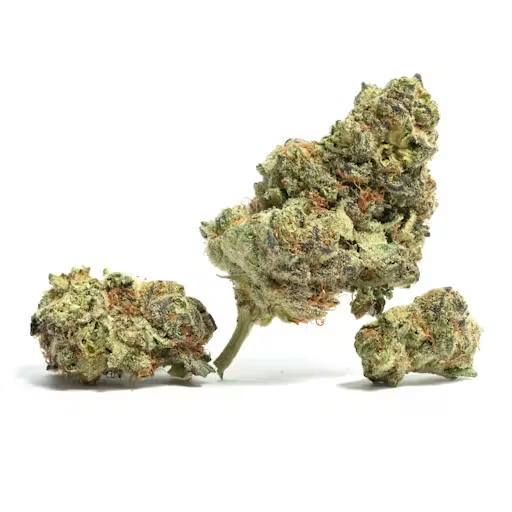
Lemon Skunk strain
Price range: $250.00 through $2,400.00
The Lemon Skunk strain is a classic cannabis cultivar recognized for its strong lemon and citrus character combined with the pungent aroma associated with Skunk genetics. It is generally described as a hybrid with a sativa-leaning profile and has become particularly well known for its sharp citrus aroma and distinctive skunky character.
Unlike some modern cultivars with a clearly documented multi-generation pedigree, the history of Lemon Skunk is more closely connected to selected Skunk phenotypes. Leafly describes the classic cultivar as having been developed from two special Skunk phenotypes selected for their lemon characteristics.
Lemon Skunk Strain Genetics
The classic Lemon Skunk is commonly associated with two selected Skunk phenotypes, rather than a simple two-named-parent cross. Leafly identifies it as a cultivar originally bred by DNA Genetics and describes its development around Skunk phenotypes displaying pronounced lemon characteristics.
There is also some variation in how the Lemon Skunk name is used. For example, Green House Seed Company currently lists a Lemon Skunk line with Skunk × Citral genetics.
For that reason, the exact genetic background should be confirmed against the breeder or product documentation when describing a particular Lemon Skunk product.
Lemon Skunk Strain Profile
The defining characteristic of Lemon Skunk is its combination of zesty lemon and pungent Skunk aromas.
Commonly reported characteristics include:
- Lemon
- Citrus
- Skunk
- Sweet notes
- Sour notes
- Herbal undertones
- Pungent aromatic character
Leafly currently lists lemon, Skunk and citrus among the cultivar’s leading flavour characteristics.
This combination makes Lemon Skunk particularly recognizable among citrus-forward cannabis cultivars.
Lemon Skunk Terpene Profile
Terpenes are naturally occurring aromatic compounds that contribute to the smell and flavour of cannabis.
Current Leafly certified strain data lists caryophyllene as the dominant terpene, followed by myrcene and limonene.
These terpenes contribute different aromatic characteristics:
- Caryophyllene — commonly associated with peppery and spicy notes
- Myrcene — associated with earthy, herbal and musky aromas
- Limonene — associated with citrus and lemon characteristics
The terpene profile can vary between phenotypes and batches. Therefore, exact terpene percentages should only be published when supported by laboratory results for the specific product.
Interestingly, the strong lemon aroma does not necessarily mean limonene will always be the dominant terpene. Leafly’s broader research into lemon-named cannabis cultivars also notes that lemon aroma does not automatically correspond to a limonene-dominant laboratory profile.
Lemon Skunk Aroma and Flavour
Lemon Skunk is best known for its intense lemon and citrus aroma layered with classic Skunk characteristics.
The flavour commonly follows the same direction, combining sharp citrus and lemon notes with a pungent, skunky character. Sweet and sour elements may also appear depending on the phenotype and growing conditions.
This gives Lemon Skunk a more complex profile than a simple lemon-flavoured cultivar. The citrus character sits alongside the deeper, earthy and pungent notes associated with its Skunk heritage.
Lemon Skunk Characteristics
Lemon Skunk is generally classified as a hybrid, with many descriptions placing it toward the sativa side of the hybrid spectrum.
Leafly’s current grow information describes plants that can produce substantial yields, with a flowering period commonly placed around 7–9 weeks. Actual cultivation characteristics can vary according to phenotype, growing environment, cultivation method and breeder.
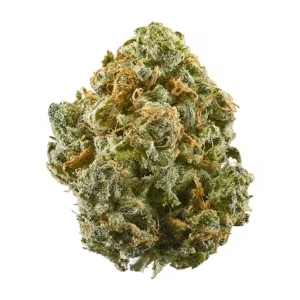
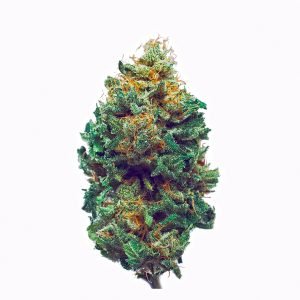
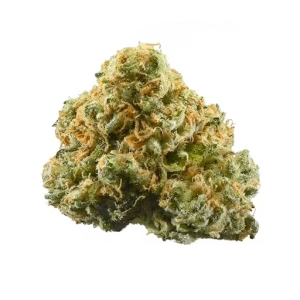
Flower appearance can similarly vary between different Lemon Skunk lines. Colour, density, resin production and aroma depend on genetics and post-harvest handling.
Cannabinoid content should always be treated as product-specific information. A generic strain database value should not be presented as the THC or CBD concentration of every Lemon Skunk batch.
Why Lemon Skunk Is Recognizable
Lemon Skunk has remained recognizable because of its unusually direct combination of classic Skunk character and strong lemon aroma.
Its history also illustrates why cannabis strain names can sometimes be complicated. Different breeders can use the same or similar cultivar names for genetically related but distinct lines. The classic Lemon Skunk associated with DNA Genetics should therefore not automatically be treated as genetically identical to every product sold under the Lemon Skunk name.
The cultivar has also played a role in later breeding. Leafly identifies Super Lemon Haze and Lemon Haze among cultivars associated with Lemon Skunk genetics.
Lemon Skunk Strain Australia
For people researching Lemon Skunk strain Australia, it is useful to separate general cultivar information from the specifications of a particular Australian product.
Genetics, cannabinoid concentrations, terpene composition, flower appearance and availability can differ between producers and batches. Where available, product-specific laboratory documentation should be used for exact cannabinoid and terpene values.
Australian cannabis products are also subject to applicable local laws and regulatory requirements. Availability and lawful supply depend on the current regulatory framework and the status of the particular product.
Lemon Skunk Strain FAQs
Is Lemon Skunk an indica or sativa?
Lemon Skunk is generally described as a hybrid, with many references characterizing it as sativa-leaning.
What are the genetics of Lemon Skunk?
The classic Lemon Skunk is associated with two selected Skunk phenotypes with strong lemon characteristics. Some breeders use different genetic descriptions for their own Lemon Skunk lines, so the exact lineage should be confirmed from breeder documentation.
What does Lemon Skunk smell like?
Lemon Skunk is known for a strong combination of lemon, citrus and pungent Skunk aromas, with sweet and sour notes also reported.
What terpenes are found in Lemon Skunk?
Current Leafly certified data lists caryophyllene, myrcene and limonene as the leading terpenes, with caryophyllene currently listed as dominant.
Does Lemon Skunk have a fixed THC percentage?
No. THC concentration can vary between breeders, phenotypes, cultivators and individual batches. The correct THC value for a specific product should come from its batch-specific laboratory or product documentation.
Is Lemon Skunk the same as Lemon Skunk OG?
Leafly lists Lemon Skunk OG as an alternative name for Lemon Skunk. However, product names can vary between producers, so the breeder and product documentation should be checked when confirming identity.
What makes Lemon Skunk distinctive?
Its combination of classic Skunk heritage and pronounced lemon-citrus aroma gives Lemon Skunk its recognizable cultivar identity.
| Quantity | Oz, Qp, Hp, 1 Pound |
|---|
Be the first to review “Lemon Skunk strain”
Related products
Flowers
Flowers
Reviews
There are no reviews yet.